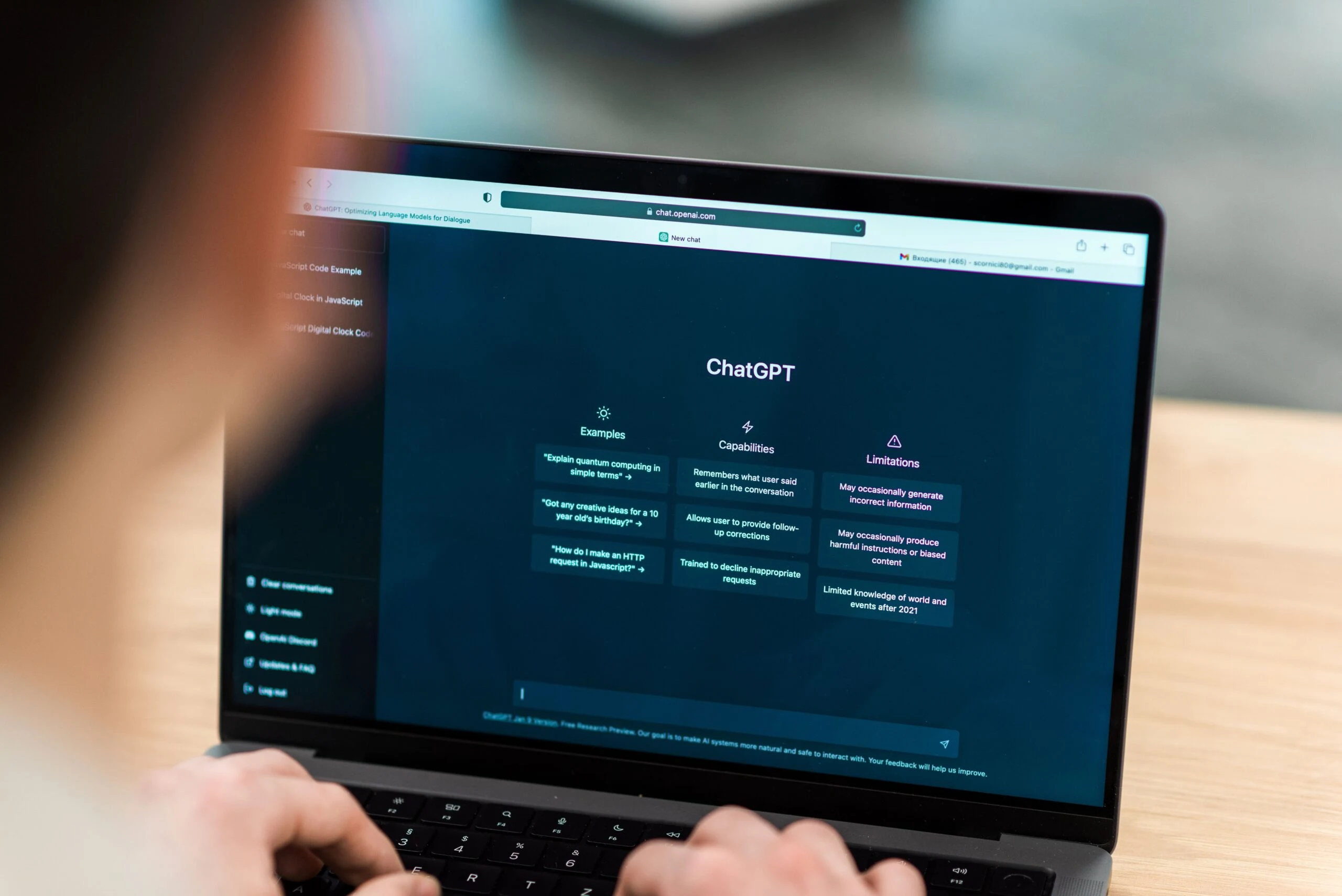
A community impact prompt for ChatGPT is a carefully designed instruction or question that helps the AI generate responses specifically aimed at supporting, analyzing, or enhancing community-based efforts. These prompts can support nonprofits, local governments, grassroots organizations, and community-focused professionals in analyzing data, writing outreach content, or building awareness campaigns.
With the growing integration of AI into community work, it’s crucial to understand how these prompts function and how to use them to make meaningful change.
Why Use ChatGPT for Community Impact?
Organizations working in community development often juggle multiple tasks from engaging volunteers to analyzing impact data. Community impact prompts enable users to automate routine tasks like generating grant proposals, summarizing volunteer hour reports, writing donation appeals, and translating complex data into plain language insights.
Using AI in this context doesn’t replace human empathy or strategic decision-making; instead, it amplifies capacity and accelerates operations, giving professionals more time to focus on people.
How ChatGPT Streamlines Community Work
At Seer Interactive, a community impact leader used ChatGPT to resolve a real-world data management challenge. Their team logged volunteer hours in one tool (Wrike) and tracked qualitative data in another (Bright Funds). Consolidating the two required manual Excel work.
Using ChatGPT, they wrote prompts to reformat and synthesize the data, grouping entries by organization instead of by person, and rounding time entries to match system requirements. After refining their instructions through trial and error, they created a custom GPT that handled the task in seconds.
This example shows the power of a community impact prompt: it solves a recurring operational bottleneck while freeing up human effort for direct service and planning.
Examples of Community Impact Prompts
Here are practical examples across sectors:
For Nonprofits:
- “Summarize this impact report into a 300-word donor email.”
- “Draft a thank-you message for volunteers who participated in our clean-up drive.”
For Government:
- “Write a public notice summarizing new city park regulations in accessible language.”
- “Generate survey questions to gather community feedback on proposed transportation updates.”
For Education:
- “Help me create a grant application for an after-school coding program.”
- “Turn this event registration data into a visual-friendly report.”
For Environmental Monitoring:
- “Analyze these pollution data sets and highlight actionable trends.”
- “Draft a blog post summarizing monthly water testing results for the community.”
Prompt Engineering for Community Impact
The effectiveness of a community impact prompt depends on clarity and specificity. Here are best practices to follow:
- Be Direct: Instead of saying "Help me with my project," try "Write a 500-word summary of our quarterly community impact metrics."
- Include Context: Tell ChatGPT who the audience is e.g., donors, residents, staff.
- Add Format Requirements: Whether it’s a report, newsletter, or social media post, specifying the format helps refine the output.
- Iterate: Sometimes it takes 2–3 versions of the prompt to get the desired result. Adjust instructions based on what’s missing.
- Use Role Assignments: Start your prompt with "You are a grant writer for a nonprofit..." to guide tone and structure.
Community Use Cases for ChatGPT
1. Data Cleaning and Integration
Tools like Wrike and Bright Funds are excellent but may not always integrate cleanly. ChatGPT can bridge the gap using formatting prompts.
2. Communication Templates
Need a fast way to thank volunteers or announce a new community program? Prompts can generate messaging instantly.
3. Grant and Proposal Writing
Grant teams can use prompts to generate first drafts for submissions, which they can later refine.
4. Stakeholder Engagement
Use AI to help generate agendas, briefing notes, or educational materials tailored to different stakeholder groups.
5. Impact Reporting
Transform raw data into compelling narratives with prompts that help extract, sort, and visualize outcomes.
Custom GPTs for Community Teams
Once you identify a repeatable task, you can string together multiple prompts into a custom GPT. This saves even more time and ensures consistency across reports and communications. For instance:
- Custom GPT for Volunteer Hour Reporting: Uploads Wrike exports and reformats data for Bright Funds
- Custom GPT for Donor Messaging: Generates thank-you notes and campaign updates based on event performance
These custom GPTs become digital co-pilots for busy community teams.
Challenges and Considerations
While ChatGPT offers many benefits, it’s essential to stay mindful of:
- Data Privacy: Avoid entering sensitive or personal information
- Accuracy: AI is only as good as its inputs; always review its output for factual correctness
- Tone: For sensitive topics, verify that responses reflect your organization’s voice and values
Understanding tools likeOpenAI vs ChatGPT and implementing reliable chatbot solutions helps organizations maintain control, improve accuracy, and align AI outputs with compliance, security, and brand communication standards.
The Future of AI in Community Impact
As AI evolves, more community-focused GPTs will emerge tailored to nonprofits, government agencies, education, and environmental monitoring. These tools will help democratize access to technical tasks like data analysis, content creation, and reporting.
ChatGPT's ability to simplify complex operations empowers organizations to focus more energy on building relationships and driving meaningful change.
Whether you're managing donations, analyzing local impact, or running outreach campaigns, knowing how to write an effective community impact prompt can streamline your work and enhance your reach.
Want to see how ChatGPT can support your community-driven mission? Contact TechGenies to explore AI solutions built for social good.