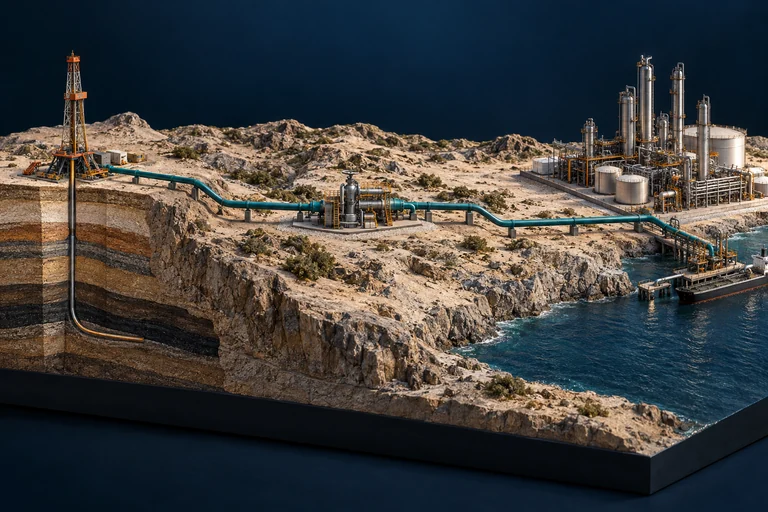
Introduction: Navigating the Volatility of Modern Energy
Energy markets are becoming increasingly unpredictable. Rising overhead costs, fluctuating fuel availability, rapid renewable integration, and stricter decarbonization regulations are reshaping how organizations manage power consumption. Traditional reactive forecasting models struggle to adapt to this volatility.
AI-based demand forecasting introduces a proactive approach within modern Energy Management Systems. Instead of reacting to market changes, AI models anticipate demand fluctuations and price shifts before they occur. In today’s environment, forecasting accuracy is no longer just a technical objective. It is a financial strategy capable of reducing total energy costs by 5 percent to 10 percent annually.
AI vs. Traditional Forecasting: The Shift to Predictive Analytics
Limitations of Legacy Systems
Traditional demand forecasting systems rely heavily on historical averages and static load profiles. These systems struggle to adapt to:
- Intermittent renewable energy inputs
- Rapid price fluctuations
- Real-time operational changes
- Grid instability
Static forecasting models often fail to reflect dynamic market conditions.
The AI Advantage
AI-based forecasting uses machine learning and predictive analytics to process:
- Real-time consumption data
- Weather patterns
- Market pricing signals
- Operational schedules
- Equipment performance metrics
This approach improves demand prediction accuracy and enables faster decision-making.
Forecast-Based Systems as the Operational Brain
Within an Energy Management System, AI-based forecasting acts as the intelligence layer. It coordinates energy distribution between:
- Grid supply
- Renewable generation
- Battery Energy Storage Systems
- Backup generators
This orchestration ensures optimal cost control and energy reliability.
Strategic Financial Impact: Taming Peak Demand Charges
The 50 Percent Factor
In many industrial and commercial sectors, peak demand charges can represent up to 50 percent of an electricity bill. These charges are based on the highest short-term energy consumption within a billing cycle.
Precision Management with AI
AI-driven forecasting identifies potential peak periods before they occur. The EMS can then:
- Shift flexible loads
- Schedule energy-intensive operations strategically
- Discharge energy from Battery Energy Storage Systems
- Reduce grid dependency during high-cost intervals
By leveraging AI forecasting and advanced predictive analytics, organizations can proactively manage energy consumption patterns, minimize peak demand costs, and optimize resource allocation for improved financial efficiency and long-term sustainability.
Cost Avoidance Through Load Smoothing
By flattening the consumption curve, organizations significantly reduce exposure to peak pricing. Even minor adjustments in peak usage can result in substantial annual savings.
Integrating Renewables and Optimizing the Energy Mix
Managing Renewable Intermittency
Renewable sources such as solar and wind introduce variability into energy systems. AI forecasting predicts renewable output based on weather data and historical performance trends.
This improves scheduling accuracy and reduces reliance on fossil fuel backups.
The Role of Edge Computing
Edge computing processes data closer to devices instead of relying solely on centralized cloud systems. In energy forecasting applications, this reduces response times and enhances system coordination.
Organizations implementing edge-enabled forecasting systems have reported up to a 30 percent increase in renewable energy utilization.
Balancing Storage and Backup Resources
AI forecasting determines:
- When to store surplus energy in batteries
- When to discharge stored energy
- When to activate diesel generators at remote sites
This ensures uninterrupted power supply while minimizing operational costs.
Operational Reliability and Fault Prevention
AI-based forecasting extends beyond consumption planning.
Fault Detection and Diagnostics
Machine learning models analyze patterns in voltage, current, load behavior, and battery State of Health. Early anomaly detection prevents minor irregularities from escalating into costly downtime.
Extending Asset Life
Intelligent forecasting prevents:
- Overcharging of battery packs
- Deep discharge cycles
- Excessive load stress on transformers
- Equipment overheating
By preserving optimal operating conditions, organizations extend the lifespan of high-value assets.
Framework for Success: ISO 50001 and Continuous Improvement
Standardized Energy Performance Management
ISO 50001 provides a structured framework for continual improvement in energy performance. AI-based forecasting aligns seamlessly with this international standard.
The PDCA Cycle in Action
Plan
Use AI forecasts to establish realistic energy targets and baseline expectations.
Do
Implement optimization strategies based on forecasted demand patterns.
Check
Compare actual consumption data with forecast projections to refine predictive models.
Act
Management teams use refined insights to enhance energy policies and strategic planning.
Data-Driven Executive Oversight
Top management can leverage AI forecasting dashboards to monitor energy security, cost performance, and sustainability objectives in real time.
Real-World Results: Case Study Insights
CLP Group Example
The CLP Group implemented a hardware-agnostic AI energy platform and achieved:
- USD 21,000 in annual energy bill savings
- USD 8,000 reduction in fault investigation costs
These improvements resulted from enhanced demand prediction and proactive fault management.
Broader Industrial Impact
Across industries including automobile distribution centers and data centers, AI-based systems have delivered:
- Double-digit reductions in energy consumption
- Improved grid stability
- Faster response to market price fluctuations
These results highlight the scalability of AI forecasting solutions.
How AI Forecasting Specifically Manages Peak Demand Charges
AI forecasting analyzes short-interval demand patterns and predicts when load thresholds approach critical levels. The Energy Management System then automatically adjusts load schedules or discharges stored energy before peak demand windows are triggered.
This proactive intervention prevents penalty charges and reduces billing volatility.
What Role Does Edge Computing Play in Renewable Energy Utilization
Edge computing accelerates real-time data processing from renewable assets. Faster analysis improves synchronization between renewable output and facility demand.
This localized intelligence enhances renewable energy usage efficiency and reduces grid reliance during intermittent production cycles.
How Do BESS and EMS Work Together in Off-Grid Operations
Battery Energy Storage Systems store excess renewable energy during low-demand periods. The Energy Management System monitors battery State of Charge and State of Health while forecasting demand.
The EMS determines optimal charge and discharge cycles, ensuring continuous power supply and minimizing diesel generator activation in remote oil and gas sites.
Conclusion: Data as a Competitive Advantage
In volatile energy markets, forecasting accuracy determines financial performance. AI-based demand forecasting transforms energy from a reactive expense into a controllable strategic asset.
By converting raw data into predictive intelligence, organizations enhance cost efficiency, improve operational reliability, and strengthen long-term resilience.
Energy volatility is inevitable. Predictive intelligence is optional. Organizations that adopt AI-based demand forecasting gain a measurable competitive advantage.
Ready to Improve Energy Forecasting Accuracy?
TechGenies delivers advanced AI-powered Energy Management and demand forecasting solutions designed for volatile energy markets. Our experts help organizations integrate predictive analytics, optimize hybrid energy systems, and reduce peak demand charges with measurable ROI.
Start transforming energy data into strategic advantage today.
Learn more about our TechGenies solutions: