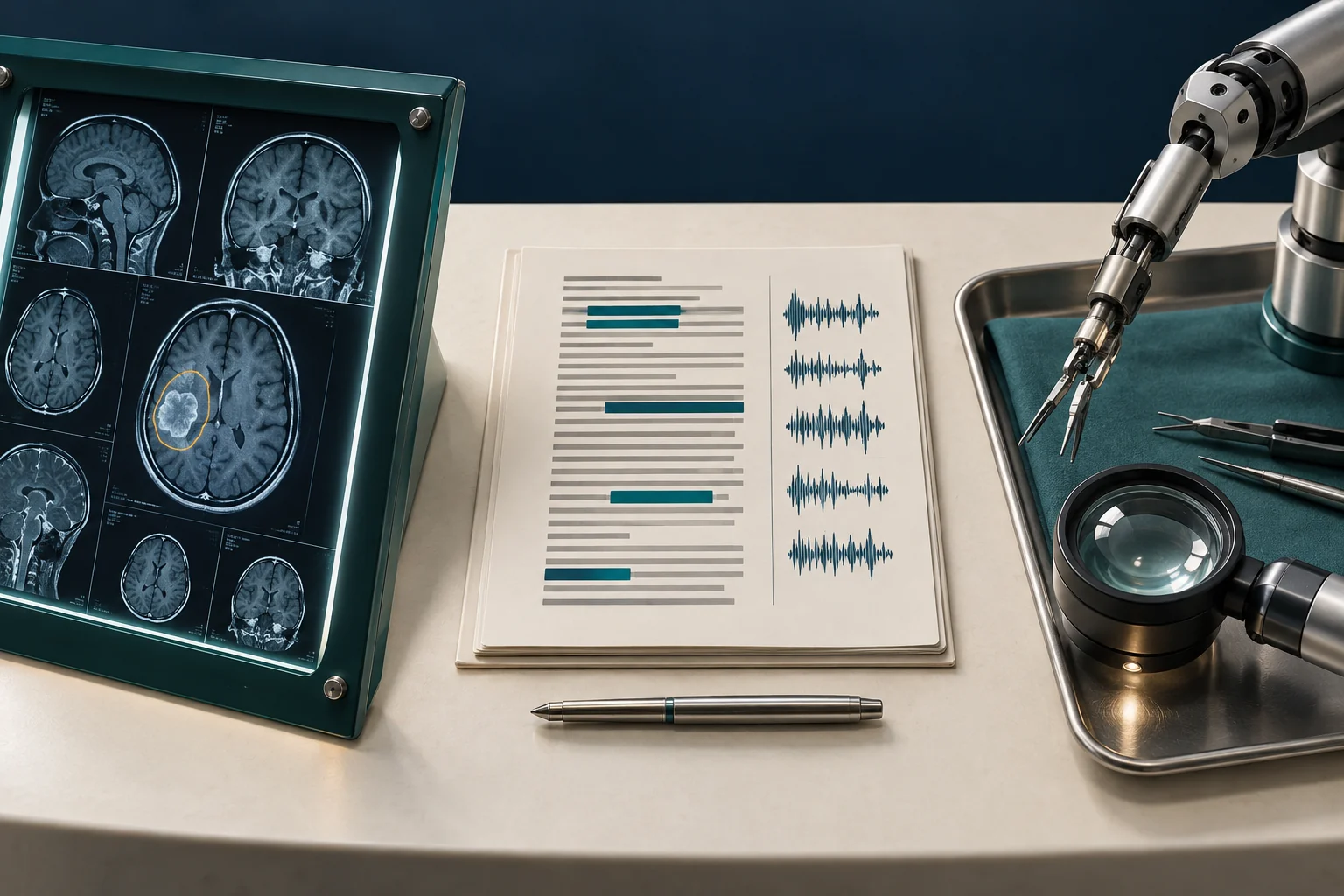
Artificial Intelligence is no longer just a futuristic concept for healthcare. Hospitals, pharmaceutical companies, and research institutions are already using AI to improve diagnosis, streamline workflows, and enhance patient outcomes. To understand its impact better, it helps to look at the three main categories of AI technology in healthcare.
These categories are Machine Learning and Deep Learning, Natural Language Processing, and Robotics and Computer Vision. Each of these plays a different but interconnected role in reshaping modern healthcare.
1. Machine Learning and Deep Learning
Machine Learning is the most widely used AI technology in healthcare. It involves training algorithms on large datasets so they can recognize patterns, make predictions, and improve decision making.
Applications in Healthcare:
- Disease Prediction and Diagnosis: ML models can analyze patient data to predict the risk of diseases like diabetes, cancer, or heart failure.
- Drug Discovery: Deep learning accelerates pharmaceutical research by identifying promising compounds much faster than traditional methods.
- Personalized Treatment: Algorithms suggest treatment plans based on patient genetics, lifestyle, and medical history.
- Medical Imaging: Deep learning is used to interpret X-rays, MRIs, and CT scans with higher accuracy.
Machine learning reduces diagnostic errors and supports physicians by highlighting data patterns that might be missed during manual review.
2. Natural Language Processing (NLP)
Healthcare data is full of unstructured information, such as doctors’ notes, patient records, and research papers. Natural Language Processing helps turn this into structured, usable insights.
Applications in Healthcare:
- Clinical Documentation: NLP systems can transcribe and summarize physician notes, reducing time spent on paperwork.
- Chatbots and Virtual Assistants: AI powered assistants help patients schedule appointments, answer health questions, and manage prescriptions.
- Medical Research: NLP tools analyze thousands of research papers to provide insights for doctors and scientists.
- Electronic Health Records (EHRs): NLP extracts key details from patient files, making it easier to share information across systems.
By making sense of large volumes of text, NLP ensures that critical information is not overlooked and improves collaboration across healthcare teams.
3. Robotics and Computer Vision
The third category involves AI systems that use robotics and visual recognition to assist with surgeries, patient care, and diagnostics.
Applications in Healthcare:
- Robotic Surgery: AI powered robots assist surgeons in performing precise and minimally invasive procedures.
- Diagnostic Tools: Computer vision systems detect tumors or abnormalities in medical images more quickly.
- Patient Monitoring: AI cameras track patient movements in hospitals to prevent falls and ensure safety.
- Rehabilitation Support: Robotic systems help patients regain mobility after injuries or strokes.
Robotics and computer vision reduce human error, increase efficiency, and often improve patient outcomes through advanced precision.
How These Categories Work Together
These three AI categories are powerful on their own, but the real impact comes when they are integrated:
- A patient’s MRI scan might be analyzed with deep learning (machine learning).
- The results are summarized into a report using NLP.
- A robotic system then assists with surgery based on the diagnosis.
This synergy represents the future of healthcare, where AI systems collaborate to deliver safer, faster, and more personalized care.
Benefits of AI in Healthcare
- Faster diagnosis and treatment
- Reduced costs through efficiency
- More accurate results
- Improved patient engagement
- Better resource allocation for hospitals
Challenges and Considerations
Despite the benefits, AI in healthcare also brings challenges:
- Data privacy and security concerns
- High costs of implementation
- Need for skilled professionals to interpret AI results
- Regulatory approvals for medical AI systems
These hurdles must be addressed to ensure ethical and effective AI adoption in healthcare.
Conclusion
The three categories of AI in healthcare are Machine Learning and Deep Learning, Natural Language Processing, and Robotics and Computer Vision. Each plays a vital role in improving diagnosis, treatment, and patient care. When combined, they create a powerful ecosystem that transforms the way healthcare is delivered.
Healthcare organizations that adopt these technologies strategically will gain a competitive edge in providing high quality, patient centered care.
Looking to explore AI solutions for healthcare or other industries?
Connect with TechGenies LLC for expert AI development, integration, and advisory services.